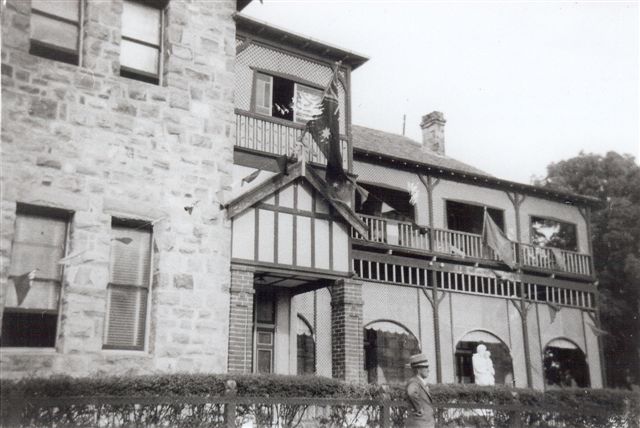
It is 1940. You are 8. Your brothers are 5 and 3.
One morning your mother leaves the house, taking your brothers with her.
She comes home without them, and then she leaves again, this time taking your sister with her.
She doesn’t come back.
Not tomorrow, not next week. She’s gone, and so are your brothers and sister.
A few months later, you are taken on a train ride. Quite a long train ride, and then a ferry ride. When you finally reach your destination, you are left behind with nuns in brown robes. There are a lot of boys here – including your brothers!
But the life you knew, the home you knew, the family you knew, is gone.
Forever.
This is my father’s story, the one I didn’t know about until it was too late to talk to him about it.
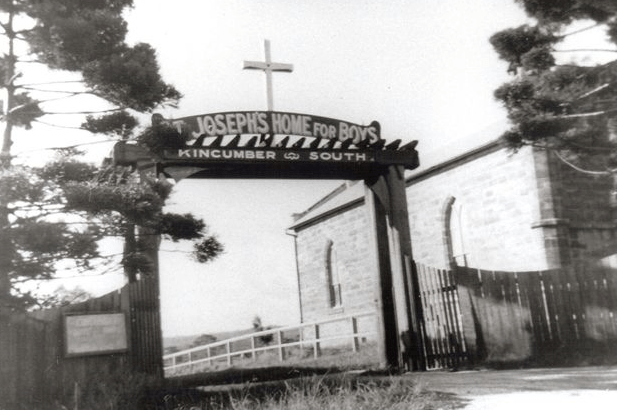
The Kincumber orphanage stood on 130 acres of farmland. Mother Mary McKillop had arrived at Kincumber in 1887. She signed the deeds for the original brick orphanage building which was built to care for 22 boys formerly of the “House of Providence” in Cumberland Street, Sydney.
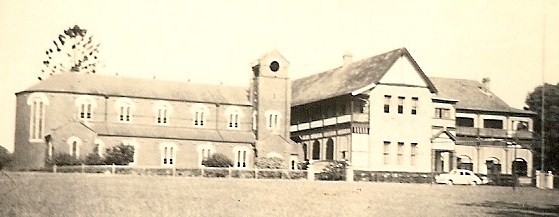
The Sisters of St Joseph ran a working farm. They employed ‘old boys’ to manage the farm, stock and gardens, while they taught school, took in sewing and tailoring, ran the bakery and the kitchen.
The resident boys learned many of these skills. They ran the local ferry, cultivated the land, worked on the farm, tended the stock, ran the dairy and sold their produce at local markets.
From the 1940s, pedigree shorthorn cattle were bred on the farm. They were the real deal -registered and authenticated with Shorthorn Societies.
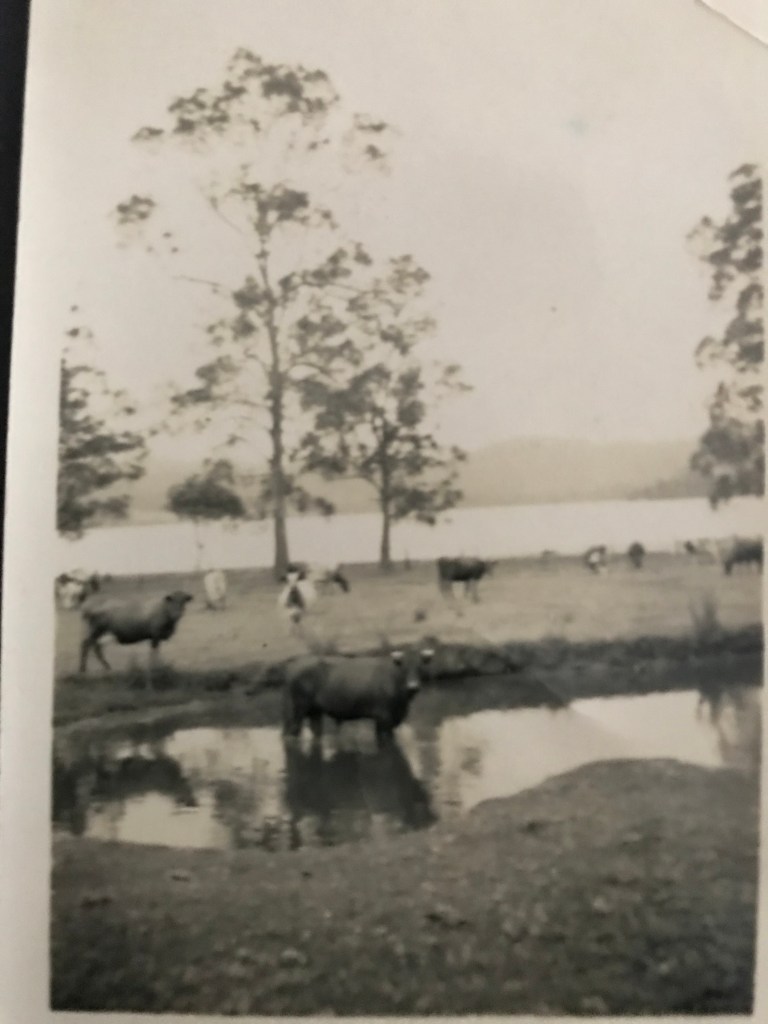
My dad and his brothers learned how to bake bread and milk cows; useful skills that don’t seem to have been used by them at any other time in their lives. The middle brother died there, which must have been devastating and confusing.
I’m left wondering WHY! Why did she do it, why did she leave them there?

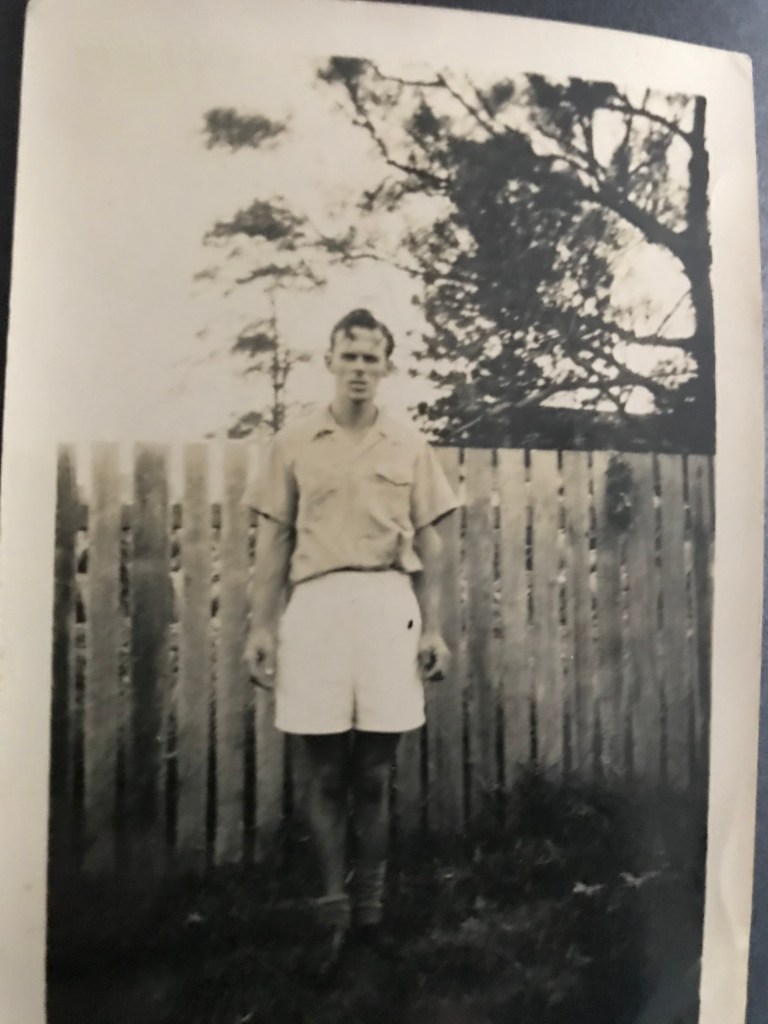

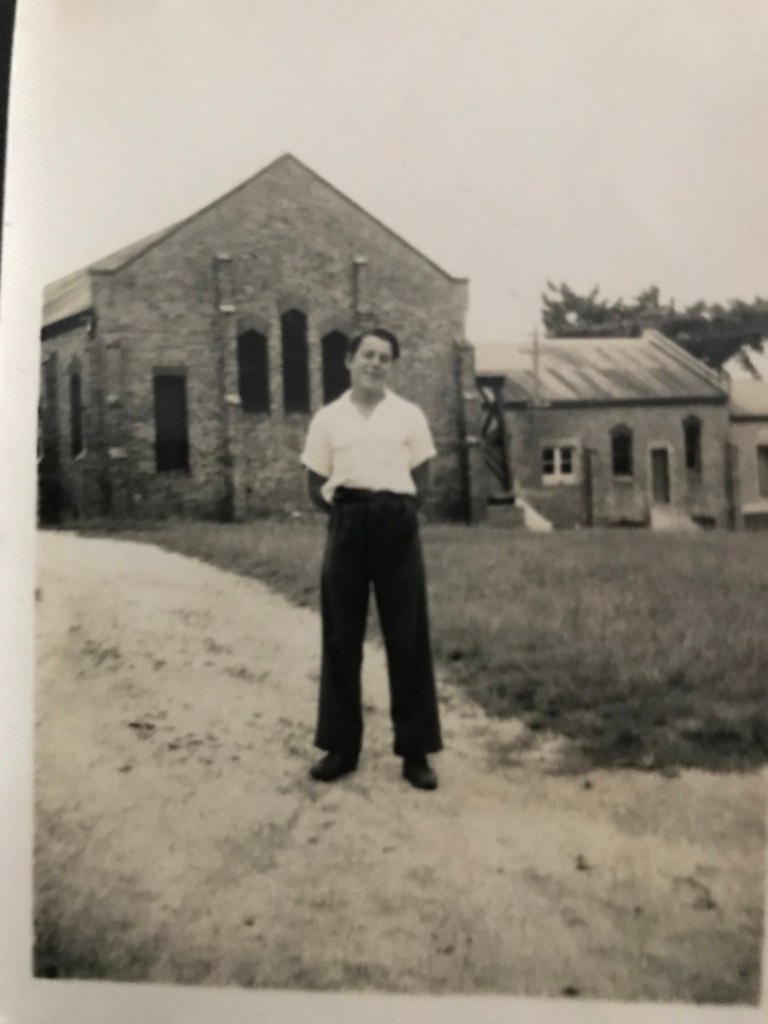
These pictures were in dad’s personal collection. He is only in one of them, apparently sitting with a friend on the wharf (I think he’s the boy to your right). The others are named; John, Ralph, Scottie and Bryan (the boy on the left on the wharf).
The land where the orphanage stood was once a meeting place and camp of the local Kuring-Gai people. A flat rock at the highest plateau of nearby Kincumba Mountain, which overlooked the region, was first to receive the gift of the morning sun as it rose gently over the eastern horizon, bringing warmth, light and life.
In the language of the Kuring-Gai people, the word “Kincumba” means “towards the rising sun” or “towards tomorrow”.
On reflection, although the Sisters worked with good intentions, I wonder whether such sentiment was ever felt by anyone who was resident at the Kincumber home for boys.
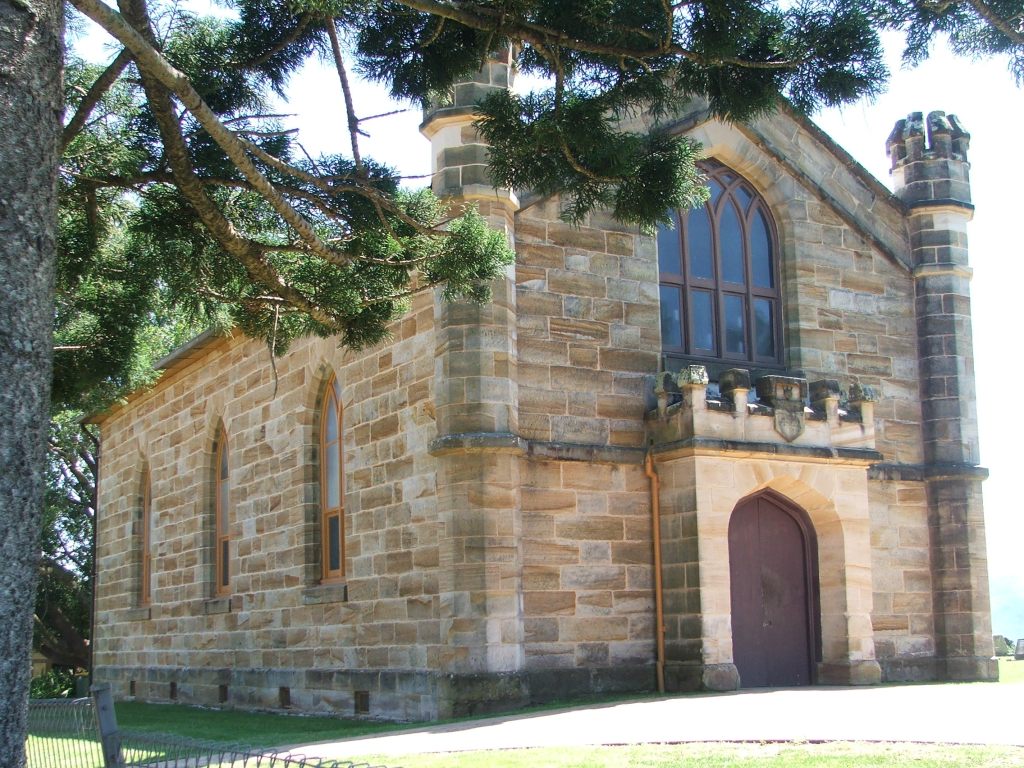
I tried to visit, but the Boys’ Home had become a silent retreat, and I couldn’t go in. It is sometimes open to visit but I was there on the wrong day of the week. I will go back one day.
I stood inside the church next door and was overwhelmed by knowing that my dad also stood here as a boy. In the church graveyard I found a memorial to boys who died in the Boys’ Home, and I sat in the wet grass and cried until I realised my butt was soaked and I wouldn’t be able to get back into my car until I dried off.
If you were here too, if you were a resident here, I would love to hear from you. Please feel free to comment below, or even contact me privately at jocallaghan1@outlook.com
Meanwhile, I’ll keep searching for answers.
 KINdling